

Filial Play
Parents are far more therapeutic in their interactions with their kids than a therapist! Filial Play Therapy involves the therapist individually training the parent to facilitate therapeutic play sessions at home with their child. This type of therapy does not focus on either parent or child as the one needing treatment. Instead, the relationship between parent and child is the focus of the therapy.
Child-Centered Play
Child-Centered Play Therapy is designed for children ages 3–10 who are experiencing social, emotional, behavioral, or relational barriers. Play is a child’s natural means of communication, which becomes a vehicle to promote a safe and consistent environment that allows children to grow and change. CCPT is a one-on-one intervention that uses play and the therapeutic relationship to create awareness, emotional regulation, and solutions that can then be applied in all areas of their life.

Direct Play
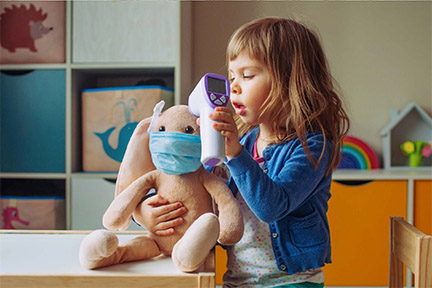
Therapists can engage children in playful experiences like role play, games, and creative stories, to address symptoms or to build skills. It allows children to experience other people’s perspectives and allows them to become more familiar with activities they have limited experience with. It also acts as an outlet for children to practice coping strategies for stressful encounters.
EMDR
Eye Movement Desensitization Reprocessing was created by Dr. Francine Shapiro. It is a psychotherapy treatment that can help children process traumatic memories (or responses to information understood later) and recover from a range of diagnoses. EMDR can help children feel more comfortable discussing difficult topics and can provide quicker results than traditional talk therapy.

Sand Work and Other Expressive Play
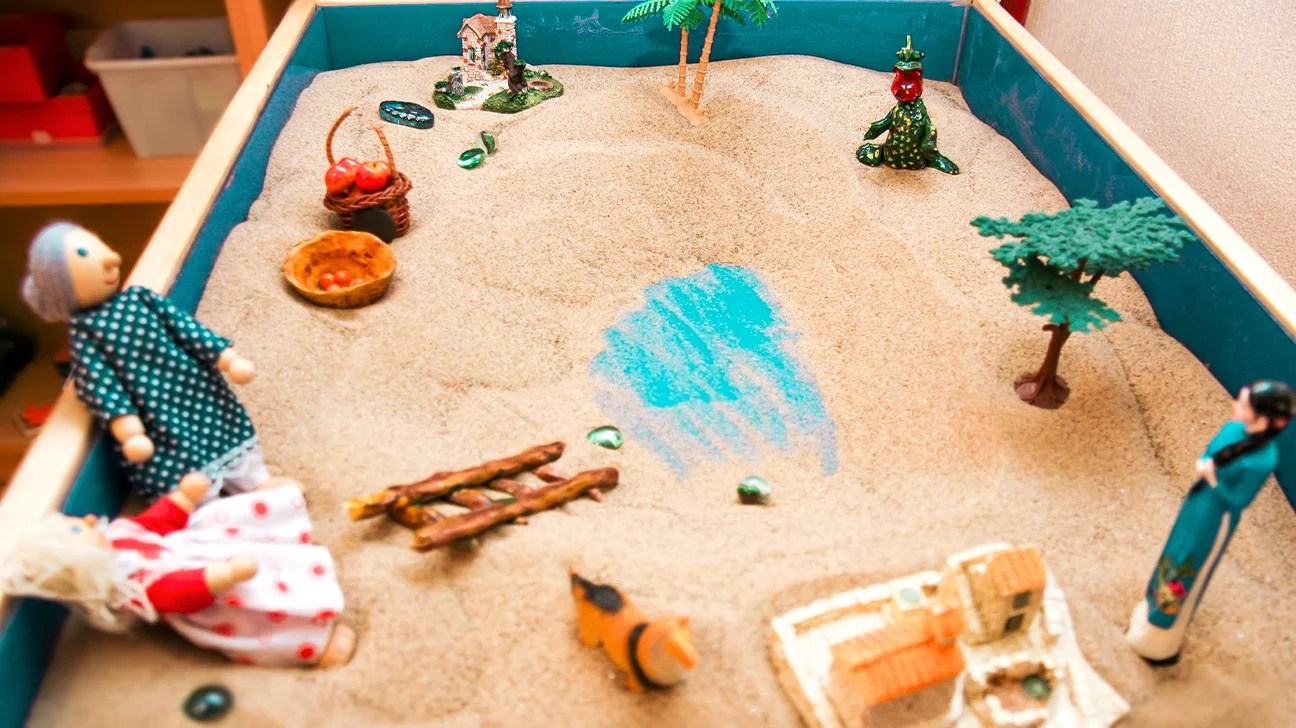
Expressing one’s self through play is a nonverbal, therapeutic intervention that makes use of a sand tray, miniatures, and other materials to create scenes of mini worlds that reflect a person’s inner thoughts, struggles, and concerns, though often subconsciously done. A child’s thoughts and feelings become more organized and articulated, and solutions are often discovered.
In expressive play, each client is encouraged to use multiple forms of creative expression to articulate their inner world, including drawing, painting, and sculptures, using a range of materials including paint, fabric, pictures, and various crafting supplies. Some children respond better to this thoughtful approach, as it helps children work through emotional upset by allowing them to express themselves through play.
 theplayroomlex.com